The Truth About AI Bias: Is It Really Unbiased?
Artificial intelligence (AI) seems like a beacon of fairness in our tech-driven era. It promises a better future, free from human biases. However, a big question remains: Are our societal biases hidden in the code we think is fair? Disney and Amazon have shown that even AI can be biased, proving that the need for AI ethics is real. In this article, we explore whether AI can truly be objective. Or does bias in algorithms get in the way? Despite our hopes, AI has sometimes made discrimination worse. The research by Joy Buolamwini and Timnit Gebru highlights racial and gender biases, especially in facial recognition tech. This shows the challenges AI ethics faces in achieving true fairness.
Key Takeaways
- Exposing the reality behind AI’s perceived impartiality and the manifestation of bias within its operations.
- Understanding the significance of data in shaping AI’s decision-making processes and the ethical implications.
- Highlighting the incidents where AI has failed to detach from societal prejudices, raising concerns about algorithmic bias.
- Delving into examples of AI bias in the real world and examining the direct impact on marginalized groups.
- Discussing the intricate relationship between human influence and AI outcomes, thus questioning the essence of artificial intelligence neutrality.
- Outlining the vital steps towards rectifying biases in AI systems to forge a path for equitable technology deployment.
Understanding AI and Its Development
Artificial Intelligence (AI) is a key player in today’s digital world. Yet, it faces challenges like machine learning bias and the need for algorithmic fairness. As AI becomes more common, it’s crucial to understand how these systems are created and improved. This ensures we build fair AI systems.
The Role of Data in AI Training
Data is essential for AI, helping it learn and make choices. But, the type and quality of data matter a lot. They can increase bias or help avoid it. It’s important to check if the data represents all groups fairly or if it continues old biases, thus affecting equality through technology.
Algorithms: The Backbone of Artificial Intelligence
Algorithms give AI its smartness, processing data and giving results. But algorithms need to be made with everyone in mind. To make sure they are fair, we must keep testing and improving them. This prevents them from repeating old mistakes or creating new biases.
Human Influence in AI Programming
Even with AI’s aim for objectivity, human decision plays a big role. The choices programmers make reflect certain biases, whether they mean to or not. It’s important to acknowledge this to move towards more just AI tech.

The direction AI takes in society is up to how we handle its development. For AI to truly benefit us, we must address and fix the biases it has built in. This means careful monitoring and smart design are key.
Defining AI Bias
As technology moves forward, it’s key to see and fix biases in artificial intelligence (AI). It’s vital to know about bias in algorithms and spot different types. We’re diving into AI bias basics, stressing the need for ethical AI. High ethical standards in AI work help maintain AI ethics.
What Constitutes Bias in AI Systems?
Bias in AI often means the algorithm unfairly treats certain groups or people worse. These biases show up through the data used to teach AI. This data carries past inequalities, leading to unfair results that keep old divides alive.
Types of Bias: Systemic vs. Individual
AI bias splits into two kinds: systemic and individual. Systemic biases come from broader society, seen in big data affecting AI choices. Individual biases are from the personal views of those who make the algorithms, showing their own biases.
Real-World Examples of AI Bias

Real examples of algorithm bias show us why this matters. Issues in facial recognition technology, for instance, have made more mistakes with darker skin tones. In hiring, some algorithms have unfairly scored down women’s resumes. These cases highlight the urgent need to focus on ethical AI. It’s about making algorithms as fair and just as possible.
Sources of AI Bias
AI systems are often looked at closely due to biases in their decision-making. It’s key to identify where these biases come from to make tech fairer. Main causes include how data is picked and its quality, society’s impact on this data, and how algorithms are made which humans can mess up. Knowing about these things is vital to making technology fair.
Data Selection and Quality Issues
The data’s quality and how it’s chosen are key to avoiding bias in machine learning. If the data does not truly represent the group it’s meant to or has old biases, AI models might keep those biases going. So, it’s very important to make sure data is right and complete.
Societal Bias Reflected in Training Data
Often, the data used to train AI mirrors the biases we already see in society. This is a big issue, especially in critical areas like criminal justice and job hiring. These biases in AI can make unfairness in these areas even worse.
Algorithmic Design and Human Error
Even when trying to do right, people making AI algorithms can still add bias. This can happen through things like overfitting, underfitting, or not including a wide range of data. All of these can skew AI, making it less fair.
| AI System Aspect | Potential Source of Bias | Impact on Output |
|---|---|---|
| Data Collection | Unrepresentative sampling | Systemic inaccuracies in predictions |
| Training Algorithms | Incorporative of existing societal biases | Perpetuation of historical prejudices |
| Algorithm Design | Subjective decisions by developers | Introduction of unintended biases |
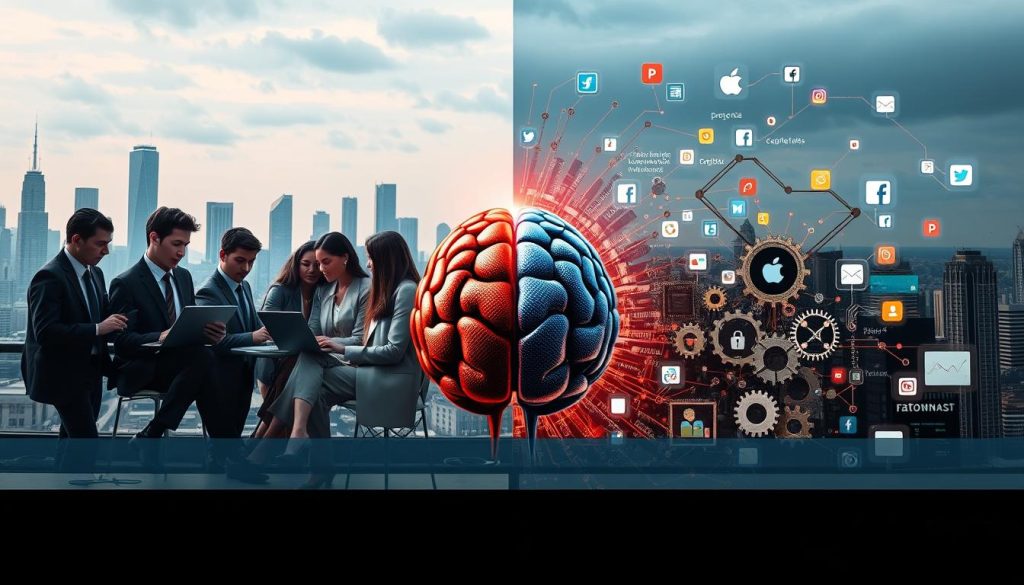
The Impact of AI Bias on Society
AI bias affects many areas like jobs, law enforcement, and healthcare. This shows why building AI that’s fair and unbiased is so important. Looking into how AI shapes our society, we see a big need for strong ethical rules for AI.
AI-driven systems have the potential to either perpetuate or mitigate historical inequalities, making ethical oversight crucial.
Discrimination in Hiring Processes
AI is changing how companies hire, often leading to unfair treatment. Bias in AI can wrongly reject people because of their gender, ethnicity, or age. This isn’t about their skills or what they can do.
This undermines fair employment practices and equal opportunity standards, highlighting the urgent need for technological impartiality in AI tools used in recruitment.
Effects on Law Enforcement and Justice
In law and justice, AI bias can lead to serious problems. For example, some facial recognition tools have mistakenly identified innocent people, hurting certain groups more than others. This causes wrongful accusations and less trust in the system.
An ethical framework for deploying AI in law enforcement is crucial to prevent such biases and protect citizen rights.
Implications in Healthcare Decisions
In healthcare, AI bias can harm those already at a disadvantage. Some healthcare AI doesn’t reflect everyone it serves, hurting care for those less represented.
This not only worsens health gaps but also goes against fairness in medical care, underscoring the need for ethical AI in healthcare settings.

Fixing these problems isn’t just about better algorithms. It’s about creating a culture where fairness in technology is a priority. Commitment from everyone involved is key to ethical AI.
- Implementing inclusive data practices
- Continuous monitoring for bias
- Development of transparent AI systems
We can reduce AI bias by focusing on these steps. Our goal is to have technology that benefits everyone.
Strategies to Mitigate AI Bias
Fixing AI bias needs a whole approach that looks at the problem from the start. It’s about making the AI fair from the beginning and always working to keep it that way. Building fair AI systems means always getting better and making sure AI ethics are a big part of the process.
Data Diversification and Inclusivity
To tackle AI bias, data diversity is key. Making sure data sets reflect all kinds of people helps reduce bias. This means gathering a wide range of data and checking that it’s fair and includes everyone.
Continuous Monitoring and Testing
Keeping an eye on AI systems all the time is vital. By doing constant checks, developers can see and fix biases as they pop up. This helps AI to stay fair and make fair decisions over time.
Ethical AI Principles and Guidelines
Having ethical rules is crucial for creating AI that’s fair and works well. Following key values like openness, responsibility, and avoiding unfair bias makes sure AI acts in a good way. This helps people trust AI more.
- Data Inclusivity Practices: Inclusive data gathering methods to ensure data covers a wide range of people.
- Testing Regimens: Frequent checks to look for biases in AI’s decisions and actions.
- Adherence to Guidelines: Following global and national standards for ethical AI making.
| Company | Tool | Feature |
|---|---|---|
| IBM | Fairness 360 | Offers a suite of tools to help detect and mitigate bias in machine learning models. |
| What-If Tool | Enables users to test potential biases in AI algorithms without coding. |
Case Studies on AI Bias
An exploration of real-world scenarios reveals the pressing need for fair AI systems, technological impartiality, and robust AI ethics. Three pertinent cases are facial recognition technology, credit scoring algorithms, and social media content moderation, each highlighting unique challenges and the necessity for ethical considerations in AI deployments.
Facial Recognition Technology
Facial recognition systems have been criticized for biases that affect fairness and accuracy. Studies show these technologies often incorrectly identify women and individuals with darker skin tones. This problem highlights serious concerns about privacy and unjust surveillance, pointing to the urgent need for fair AI that is impartial to all.
Credit Scoring Algorithms
Credit scoring algorithms play a big role in financial decisions like loan approvals and interest rates. Sometimes, they use biased data, leading to unfair impacts on different groups. This issue can increase economic inequality, underlining the need to include AI ethics in algorithm design for fairness.
Social Media Content Moderation
AI tools for content moderation are essential in managing user-generated content on social media. But, they can sometimes apply biases, unfairly censoring certain groups or views. It’s crucial for these tools to follow AI ethics and fairness to keep the digital conversation open and inclusive.
The cases we’ve looked at show the complex and far-reaching impacts of AI systems. They stress the importance of continuously examining and adjusting technologies. This ensures they promote fairness, impartiality, and ethics. It’s about more than fixing biases after the fact; it’s about taking steps from the start to ensure AI fairness.
The Role of Government and Regulation
Governing artificial intelligence is key to its ethical use and developing fair AI systems. In the U.S., the federal government plays a major role in creating standards for AI’s responsible use. They make and enforce rules, balancing fast tech growth with ethical needs.
Current Regulatory Frameworks in the U.S.
Current AI rules aim to make AI systems more transparent and accountable. They try to prevent biases in AI programming and use. But, as AI tech quickly evolves, some rules can’t fully address AI bias issues.
Proposed Legislation on AI and Bias
New laws suggested aim for strict standards to reduce bias in AI. They push for tighter controls to make AI systems fair and just. A major focus is on making sure AI developers check and report their systems’ fairness.
Challenges in Enforcing Regulations
AI’s fast growth and use in many areas make enforcing rules hard. Regulators have to grasp complex AI tech while not holding back innovation. Finding a balance between tech growth and ethical AI use is tough.
Government plays a vital but tricky role in AI regulation. As tech advances, the rules must also evolve, keeping AI ethics a top priority. This constant effort guides AI development towards benefiting society, rooted in fairness and equality.
Future of AI and Bias Mitigation
The journey of artificial intelligence (AI) is heading towards a future where ethical AI, technological impartiality, and strict AI ethics are essential. It’s important to focus on several areas to make sure AI treats everyone fairly. This includes following new trends in AI, being accountable, and working with different people involved. AI must always stick to these ethical rules. This ensures it makes decisions fairly and uses technology in a way that’s fair for everyone.
Trends in AI Development and Ethics
The fast growth of AI technology means we also need to improve our ethical guidelines for AI. Now, when we create new AI, we also think a lot about how it can be fair for everyone. It’s not just about making AI more accurate. It’s really about making sure AI helps society without being unfair.
The Importance of Accountability
Accountability in AI is more than just coding and fixing algorithms. It’s about the responsibility of those who make, use, and regulate AI to follow strict ethics. They must ensure AI is always checked to avoid biases. This helps make sure all AI outcomes are fair.
Engaging Stakeholders in AI Solutions
To really reduce bias in AI, many different people need to be involved. This means not just those who build AI or focus on ethics, but also groups often overlooked by AI technology. Having them help shape AI makes sure the technology is inclusive. This builds an environment where technology is impartial and ethics are trusted at every step.
In the end, creating an AI world without bias requires a strong dedication to AI ethics, serious accountability, and working together with everyone affected by AI technology. Focusing on these key areas will ensure the AI future is fair, open, and ethically responsible.
Conclusion: Is AI Truly Unbiased?
Artificial intelligence (AI) is impressive but not perfect. It carries biases that reflect its human creators’ failings. These biases show up in AI’s complex systems, often when we’re trying to fix societal issues. So, the idea of a fully unbiased AI is currently a goal, not a reality. It demands constant work and ethical actions to move closer to that dream.
Summarizing Key Points on AI Bias
Biases in algorithms are common in areas like jobs, policing, and health care. These biases stem from either uneven data or the programmers’ own biases. While these biases come in many forms, they all raise ethical concerns. Solving them means putting a strong focus on creating ethical AI. This approach values everyone’s experiences and beliefs in technology.
The Path Forward for Fair AI
To achieve fair AI, we need a mix of inclusive data, clear algorithm design, and strict rules. Fairness must be a core value, enforced through ethical standards. A key step is continually checking and fixing biases. This process helps improve AI, making it a tool that lifts humanity instead of holding it back.
Call to Action for Responsible AI Practices
We need a united effort for responsible AI use. It’s crucial for everyone—developers, users, and policymakers—to work together. This approach aims to create tech that benefits everyone, not just a few. By pushing for change and advocating for all voices, we’re on the path to more fair and ethical technology.
FAQ
What is the role of data in AI training?
How do algorithms function as the backbone of artificial intelligence?
In what ways do humans influence AI programming?
What constitutes bias in AI systems?
What are the differences between systemic and individual bias in AI?
Can you provide real-world examples of AI bias?
What are the sources of AI bias?
How is societal bias reflected in AI training data?
How does algorithmic design contribute to AI bias?
What are the societal impacts of AI bias in hiring processes?
How does AI bias affect law enforcement and justice?
What are the implications of AI bias in healthcare decisions?
What are the strategies to mitigate AI bias?
How can ethical AI principles and guidelines help reduce bias?
What is the government’s role in regulating AI and addressing bias?
What are the trends in AI development and ethics aimed at bias mitigation?
How important is accountability in AI development?
What does engaging stakeholders in AI solutions entail?
Can AI ever be truly unbiased?
About the author : virtual-glasses